Blood Test Results, Explained
Free guides on CBC, thyroid, HbA1c, cholesterol, liver & kidney function tests — written by a PhD biochemist, trusted by patients in 50+ countries.
Dr. Naeem Mahmood Ashraf
PhD Biochemistry · 45+ Publications
Hematology
— 4 articles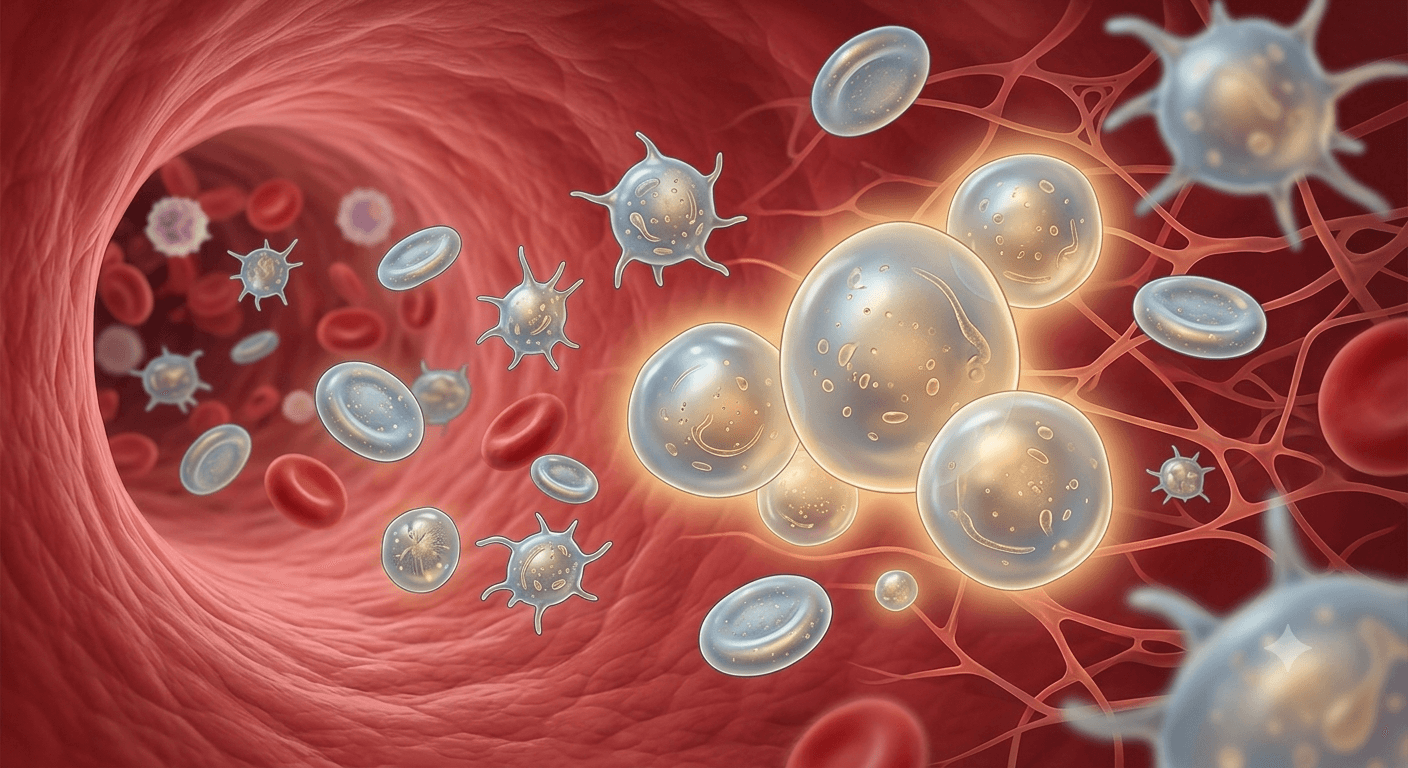
High MPV Blood Test: What It Means, Causes, and When to Worry
Hover to previewHigh MPV Blood Test: What It Means, Causes, and When to Worry
MPV (Mean Platelet Volume) is one of the most Googled yet least explained values on a CBC report. This guide explains what a high or low MPV means, what conditions cause it, how it relates to platelet count, and when it actually requires medical attention.
High RDW Blood Test: What It Means, Causes, and Why Doctors Check It
Hover to previewHigh RDW Blood Test: What It Means, Causes, and Why Doctors Check It
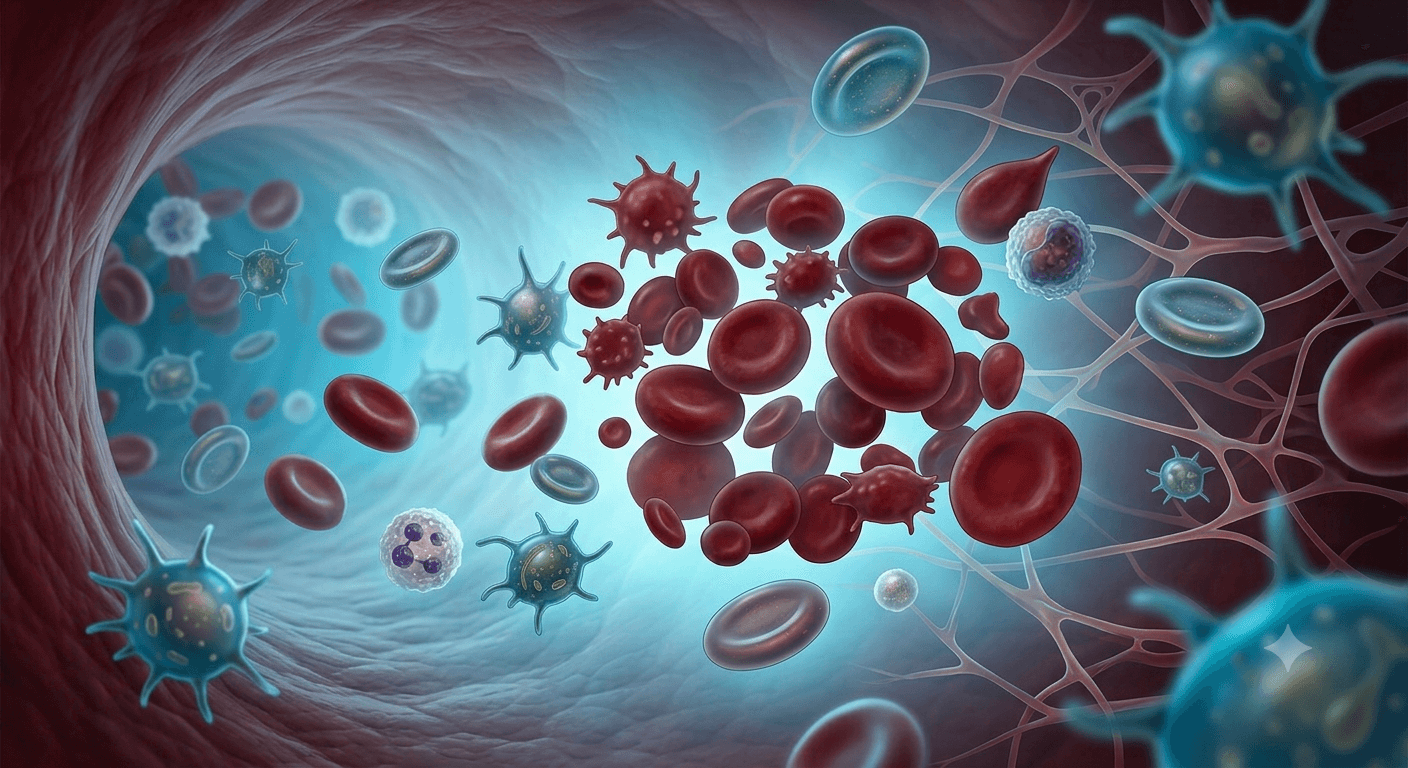
RDW (Red Cell Distribution Width) is the most overlooked value on a CBC — yet it's one of the most diagnostically useful. This guide explains what high and low RDW means, how it helps distinguish between types of anaemia, what diseases cause it, and when to see a doctor.
CBC Blood Test Results Explained: Normal Ranges, High & Low Values
Hover to previewCBC Blood Test Results Explained: Normal Ranges, High & Low Values
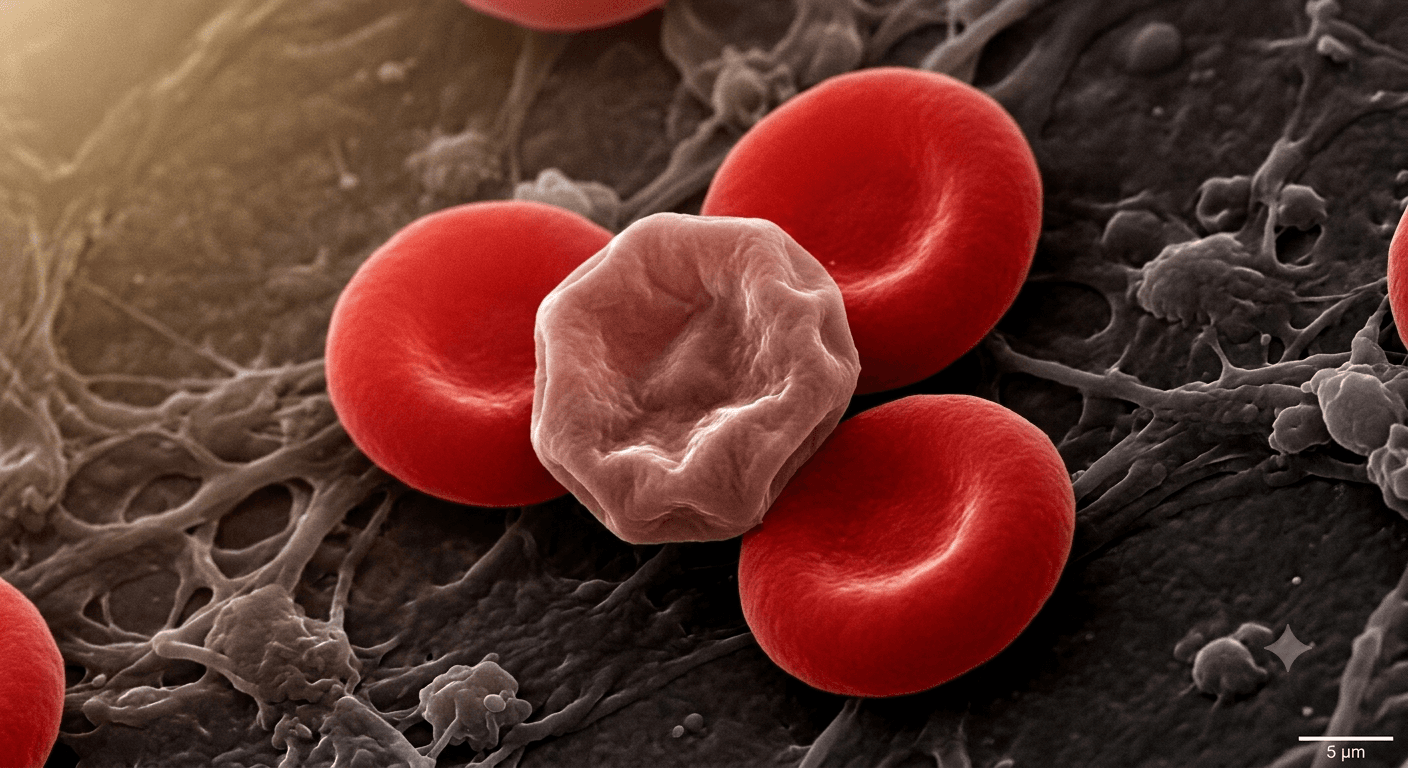
A Complete Blood Count (CBC) is one of the most ordered lab tests worldwide. This complete guide explains every component — hemoglobin, WBC, platelets, RDW and more — with normal ranges, what high and low values mean, and when to see a doctor.
What Is MCH (Mean Corpuscular Hemoglobin)? Normal Range, High & Low Results Explained
Hover to previewWhat Is MCH (Mean Corpuscular Hemoglobin)? Normal Range, High & Low Results Explained
MCH — Mean Corpuscular Hemoglobin — is a value on your CBC blood test that tells your doctor the average amount of haemoglobin in each red blood cell. This guide explains what MCH means, what high and low MCH results indicate, how it differs from MCHC and MCV, and what conditions it can help diagnose.
Ready to understand your own results?
Upload your lab report — our AI explains every value in plain English, free.
Interpret My Lab Results →